Home · Areas Served · Old Town and Creek Side
Fire Damage Restoration in Old Town and Creek Side
Quick answer
Brick and frame homes in the historic grid near the creek side.
brick and frame homes
ZIP codes served here: 80501.
Common calls in Old Town and Creek Side
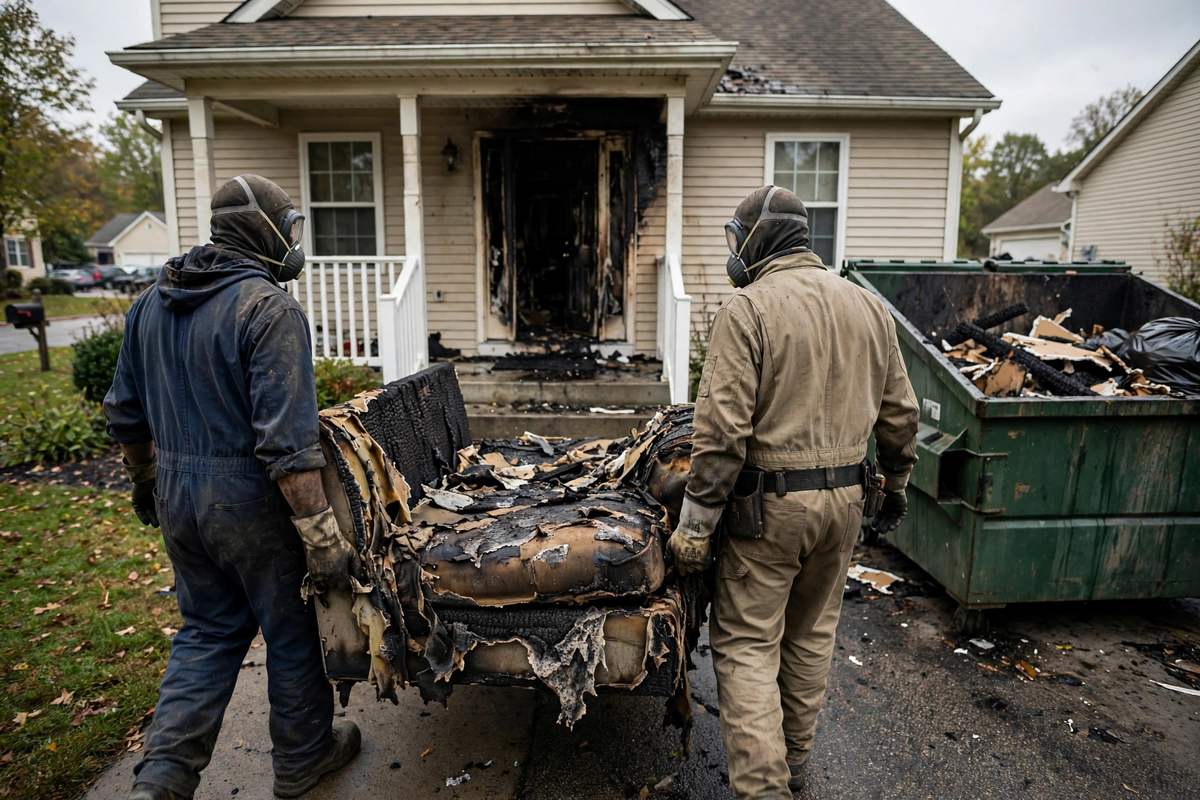
- Windows or doors were broken by the fire or by firefighters. It usually means the property is open to weather and to entry tonight.
- The roof has holes, missing sections, or fire damage. It usually means the roof is as likely to be open as the windows.
- The home will stand empty overnight or longer. It usually means documentation before covering is the claim's first exhibit.
- Rain is forecast before permanent repairs can start. It usually means an open roof converts fire damage into water damage on the weather's schedule; tarping is part of securing, not an extra.
What jobs here tend to look like
St. Vrain Creek runs through Longmont from the foothills side to the plains, and the city spreads from its historic downtown grid along the creek out through the postwar neighborhoods to the growth edges.
Housing in Longmont: historic brick and frame homes in the old town grid, postwar ranch homes in the middle neighborhoods, newer subdivision homes on the east and north edges, and farm and acreage homes out toward the county line.
Climate in Longmont: cold winters with snow and sharp freeze thaw swings, warm dry summers, and strong downslope wind events.
For fire damage restoration in Longmont, the pattern that repeats across jobs is set by those conditions together, and the scopes on this site are written around them, not around a national checklist.
Services available in Old Town and Creek Side
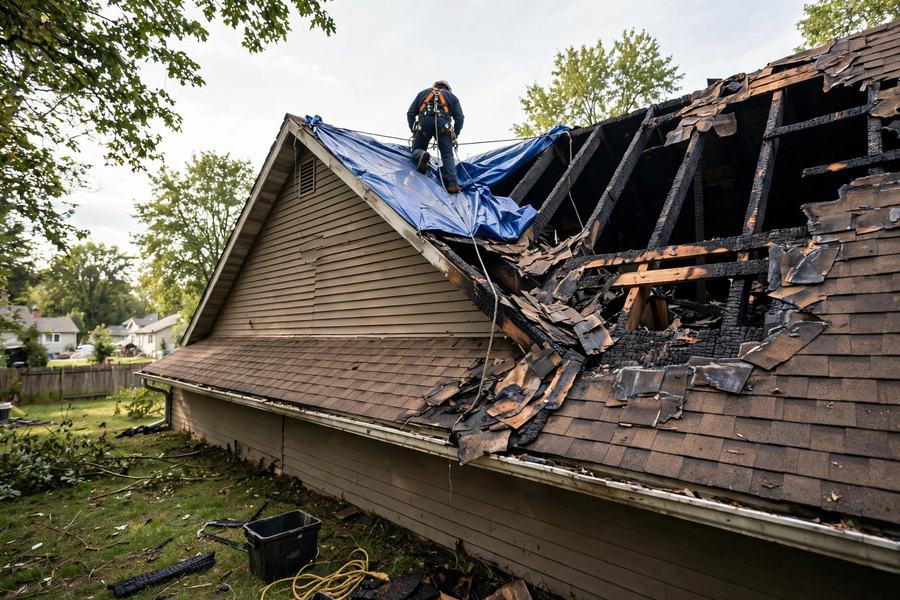
Emergency Board Up and Tarping
Openings, windows, and roof sections secured the same day, because an open house loses contents and claim standing fast. Expect the first visit in Longmont to start from the building itself: mill village homes and newer subdivisions, read against hot humid summers, mild winters with a real heating season, and frequent thunderstorms in Longmont, shaped by old town brick and frame homes, ranch neighborhoods, and growth edge subdivisions where heating season stove and furnace starts, shared attic smoke travel, and dry wind edge risk drive the call pattern.
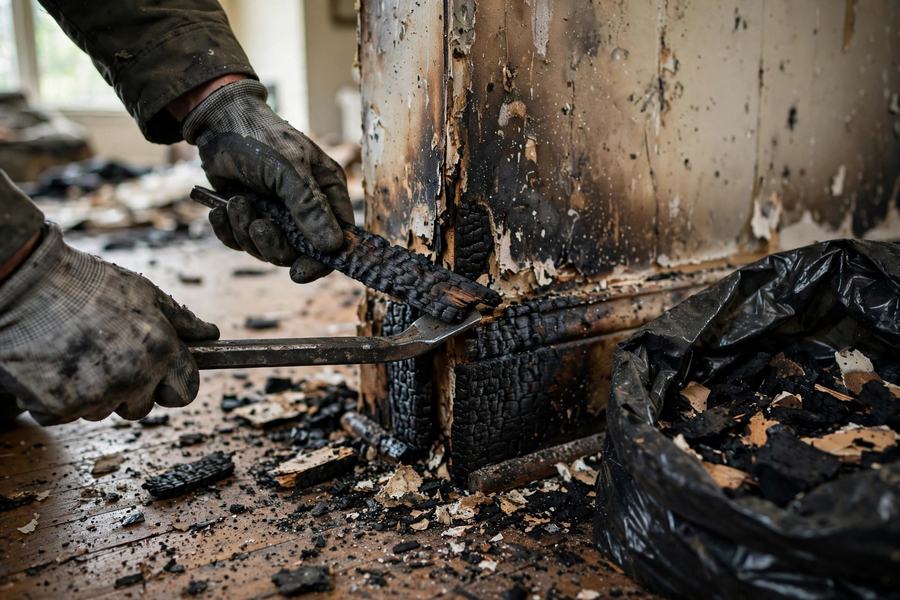
Fire Damage Restoration
Fire losses run as one file: securing, cleaning, odor, and rebuild sequenced so each step protects the next. In Longmont, the local read matters: this is stock where heating season fires in older stock and kitchen fires drive the scope pattern in Longmont, shaped by old town brick and frame homes, ranch neighborhoods, and growth edge subdivisions where heating season stove and furnace starts, shared attic smoke travel, and dry wind edge risk drive the call pattern.
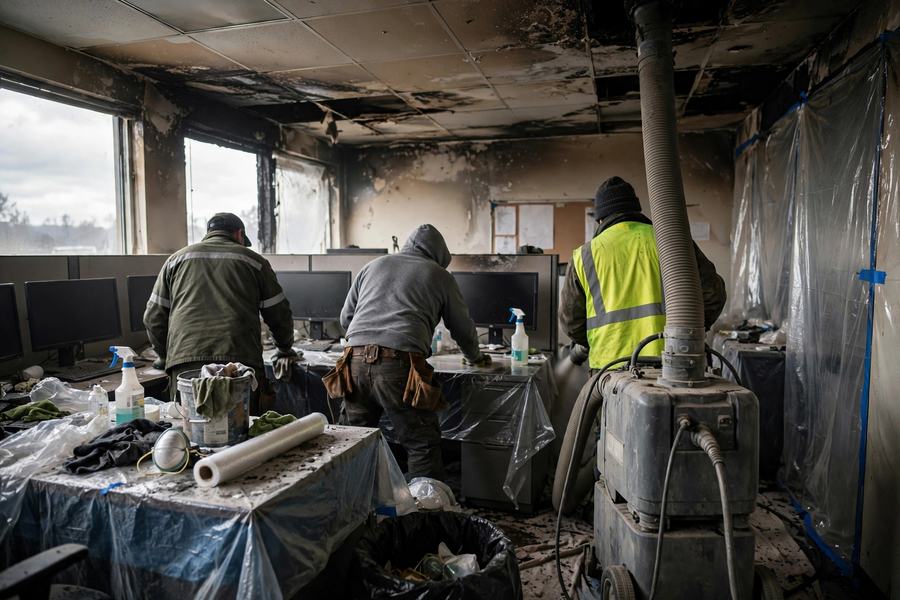
Commercial Fire Damage
Fire scopes for businesses and rentals, with tenant, insurer, and association documentation kept in step. Across the Catawba River side of Longmont, the scope is written around mill village homes and newer subdivisions, and the price follows that read in Longmont, shaped by old town brick and frame homes, ranch neighborhoods, and growth edge subdivisions where heating season stove and furnace starts, shared attic smoke travel, and dry wind edge risk drive the call pattern.
Smoke Damage Cleanup
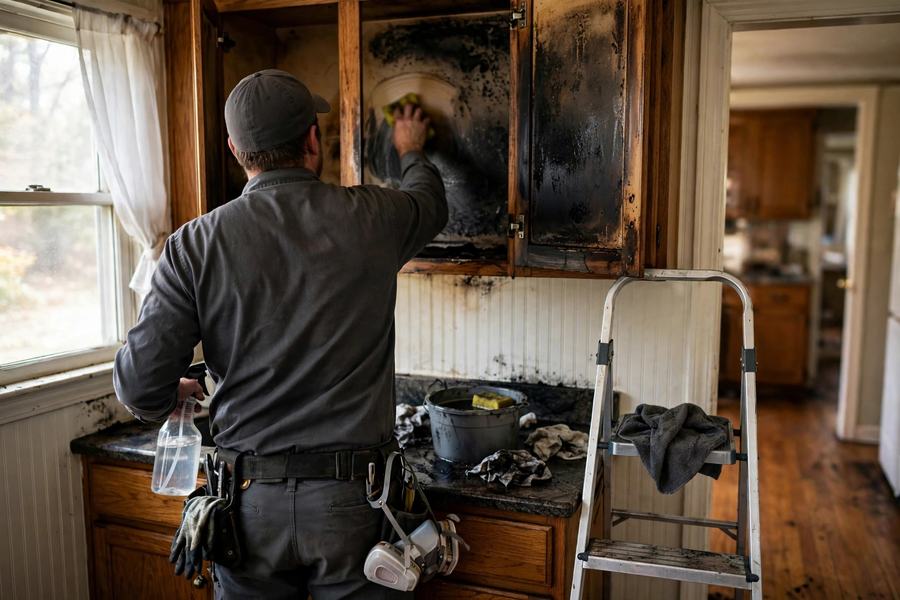
Smoke residue cleaned by surface and soil level, tested in a corner before a whole room is committed. Longmont crews meet this job most often in mill village homes and newer subdivisions, under hot humid summers, mild winters with a real heating season, and frequent thunderstorms in Longmont, shaped by old town brick and frame homes, ranch neighborhoods, and growth edge subdivisions where heating season stove and furnace starts, shared attic smoke travel, and dry wind edge risk drive the call pattern.
Soot Removal
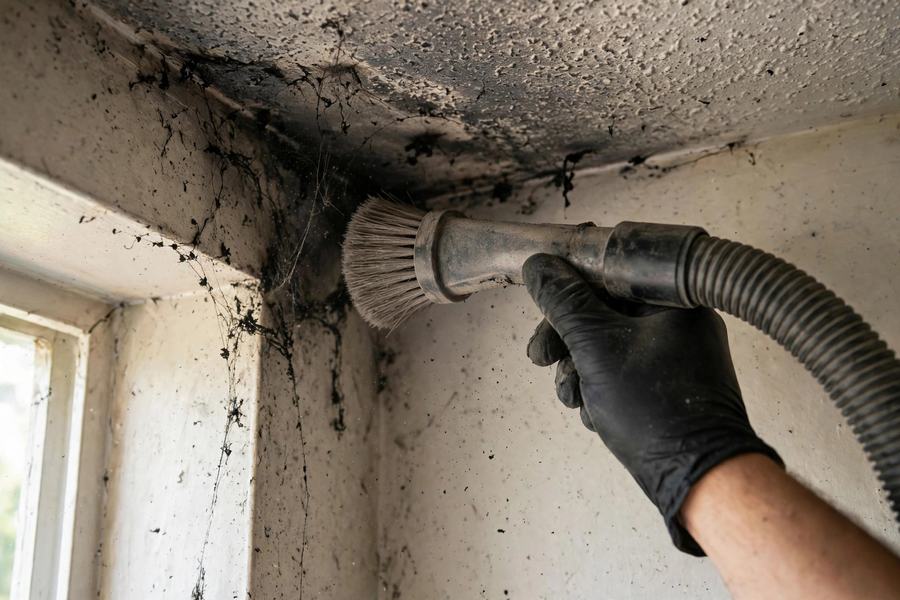
Soot lifted with the right chemistry per material, because the wrong wipe sets the stain it meant to remove. The written scope for a Longmont home names access and materials first, because heating season fires in older stock and kitchen fires drive the scope pattern in Longmont, shaped by old town brick and frame homes, ranch neighborhoods, and growth edge subdivisions where heating season stove and furnace starts, shared attic smoke travel, and dry wind edge risk drive the call pattern.
Smoke Odor Removal
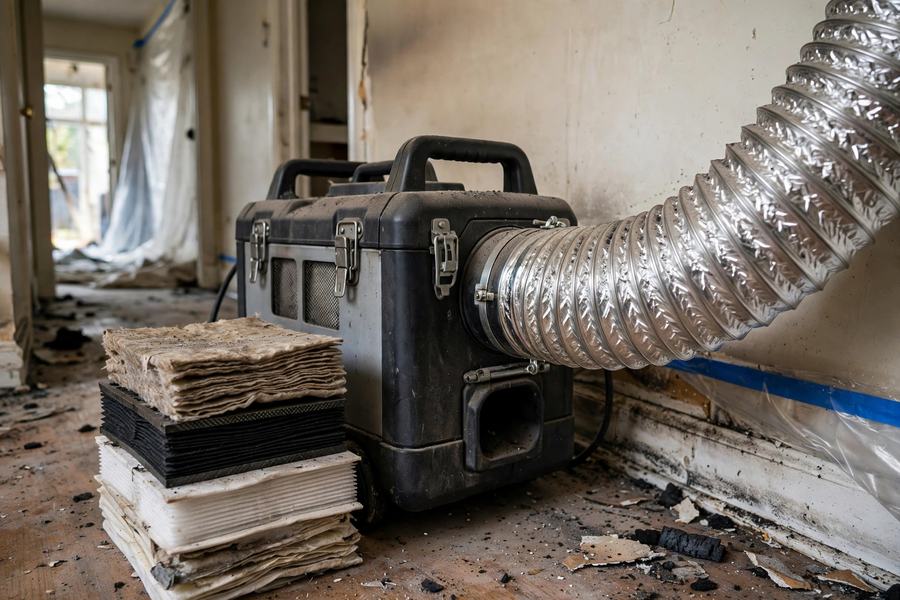
Odor treated at its reservoirs in contents, voids, and ducts, sealed or removed rather than perfumed. Here, the pattern behind the call is consistent: heating season fires in older stock and kitchen fires drive the scope pattern, and the Catawba River neighborhoods tend to show it first in Longmont, shaped by old town brick and frame homes, ranch neighborhoods, and growth edge subdivisions where heating season stove and furnace starts, shared attic smoke travel, and dry wind edge risk drive the call pattern.
Water Removal After a Fire
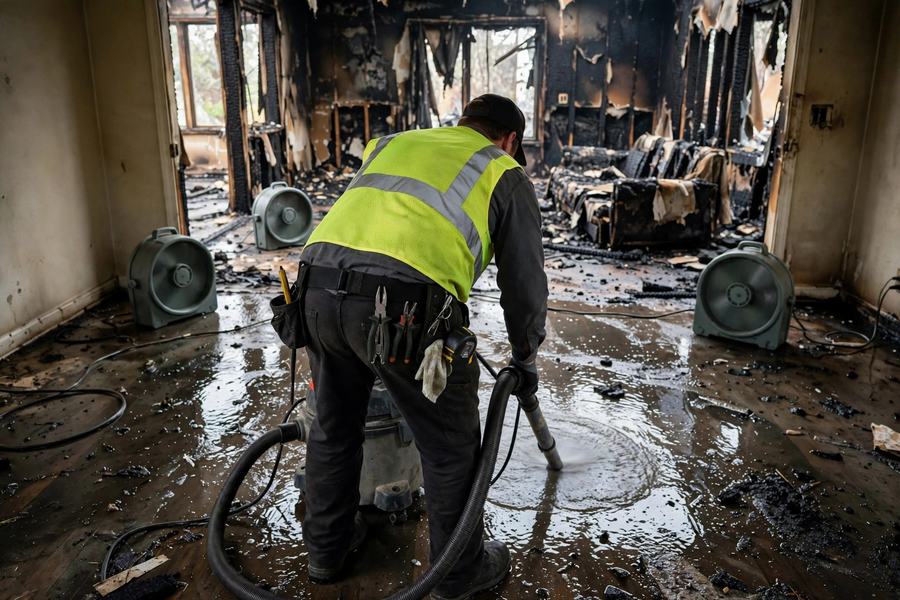
The water the response left behind, extracted and dried inside the same event file as the fire. Expect the first visit in Longmont to start from the building itself: mill village homes and newer subdivisions, read against hot humid summers, mild winters with a real heating season, and frequent thunderstorms in Longmont, shaped by old town brick and frame homes, ranch neighborhoods, and growth edge subdivisions where heating season stove and furnace starts, shared attic smoke travel, and dry wind edge risk drive the call pattern.
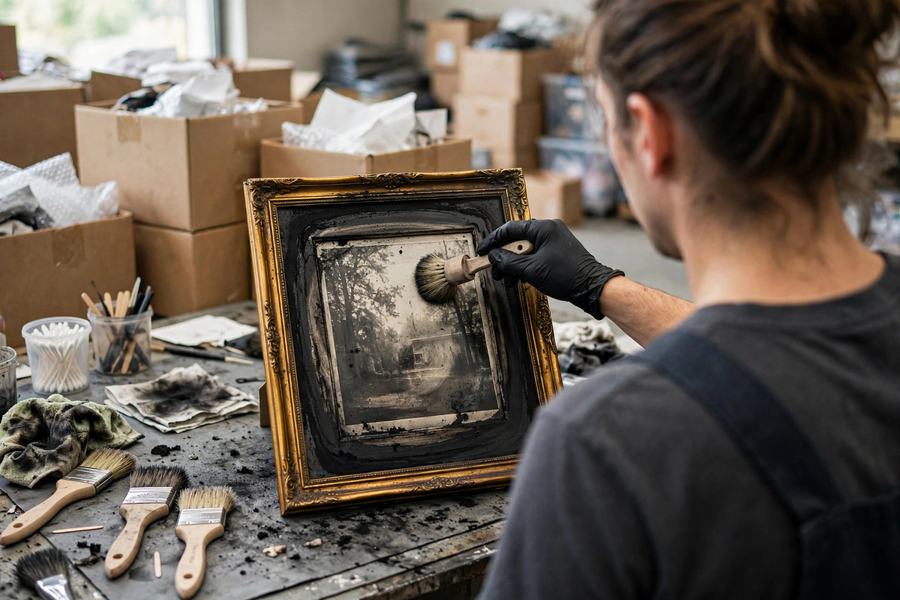
Contents Cleaning and Pack Out
Contents inventoried, packed, and cleaned item by item, with the unsalvageable list kept honest for the claim. In Longmont, the local read matters: this is stock where heating season fires in older stock and kitchen fires drive the scope pattern in Longmont, shaped by old town brick and frame homes, ranch neighborhoods, and growth edge subdivisions where heating season stove and furnace starts, shared attic smoke travel, and dry wind edge risk drive the call pattern.
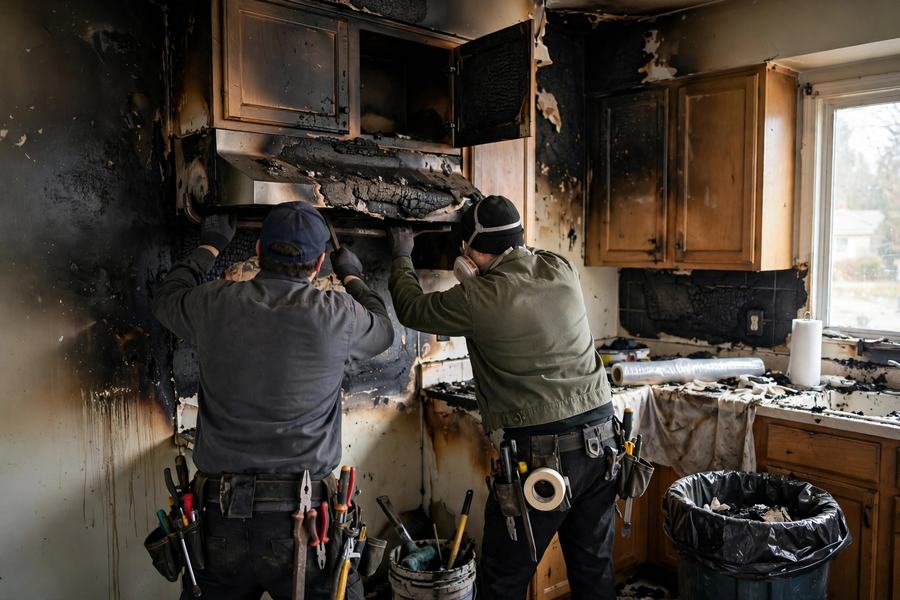
Kitchen Fire Cleanup
Kitchen fires cleaned from the residue map outward: cabinets, cavities, and the duct path grease smoke travels. Across the Catawba River side of Longmont, the scope is written around mill village homes and newer subdivisions, and the price follows that read in Longmont, shaped by old town brick and frame homes, ranch neighborhoods, and growth edge subdivisions where heating season stove and furnace starts, shared attic smoke travel, and dry wind edge risk drive the call pattern.
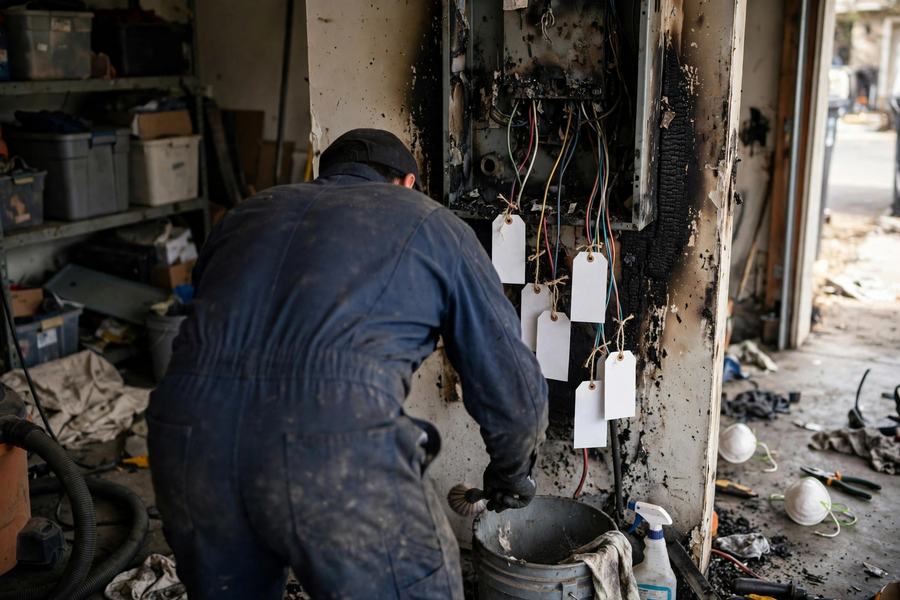
Electrical Fire Cleanup
Electrical fire scenes cleaned only after the circuit story is settled and the panel is cleared as safe. Longmont crews meet this job most often in mill village homes and newer subdivisions, under hot humid summers, mild winters with a real heating season, and frequent thunderstorms in Longmont, shaped by old town brick and frame homes, ranch neighborhoods, and growth edge subdivisions where heating season stove and furnace starts, shared attic smoke travel, and dry wind edge risk drive the call pattern.
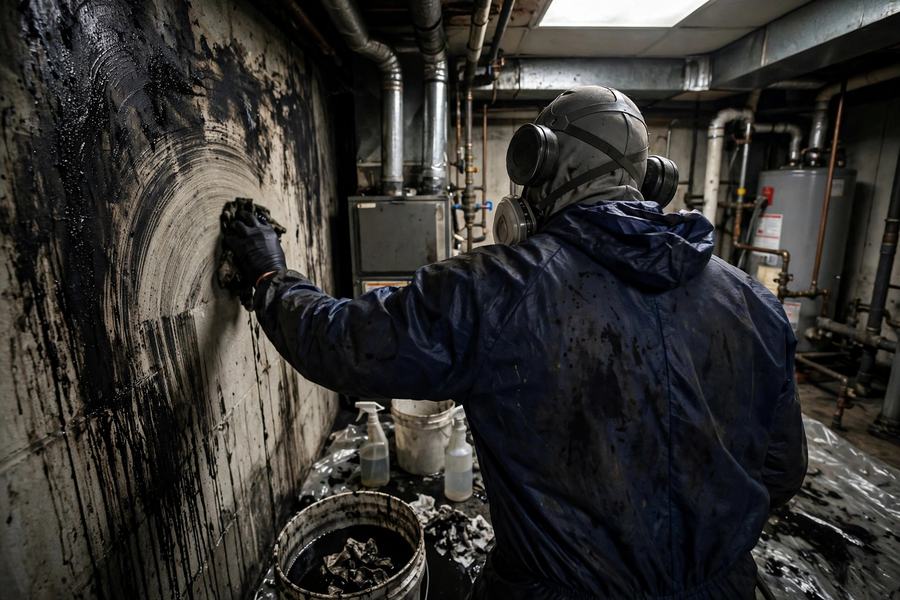
Furnace Puff Back Cleanup
Furnace puff back soot, fine and greasy, cleaned with methods that do not drive it deeper into paint and fabric. The written scope for a Longmont home names access and materials first, because heating season fires in older stock and kitchen fires drive the scope pattern in Longmont, shaped by old town brick and frame homes, ranch neighborhoods, and growth edge subdivisions where heating season stove and furnace starts, shared attic smoke travel, and dry wind edge risk drive the call pattern.
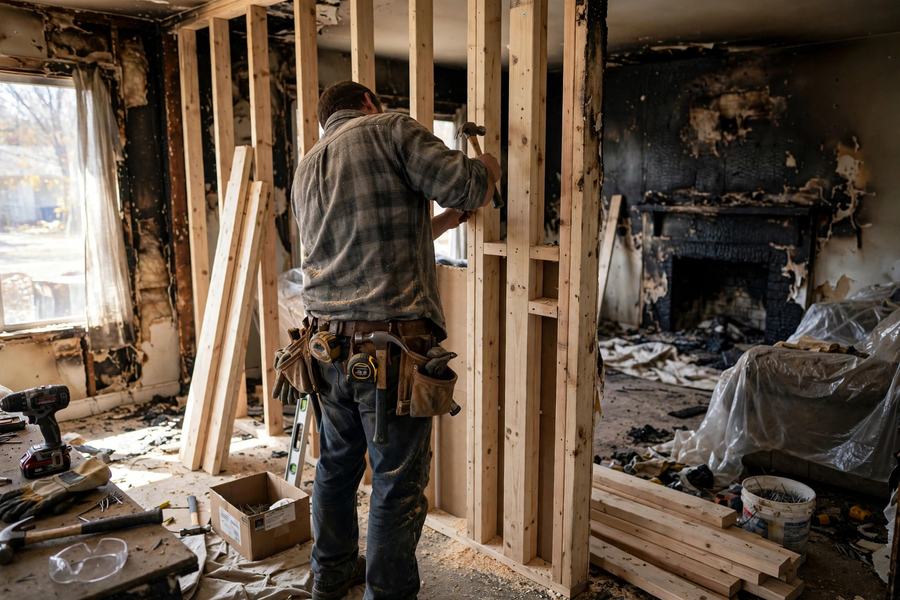
Fire Damage Rebuild and Repairs
Rebuild scopes that return the fire rooms to finish, permitted and inspected where the work requires it. Here, the pattern behind the call is consistent: heating season fires in older stock and kitchen fires drive the scope pattern, and the Catawba River neighborhoods tend to show it first in Longmont, shaped by old town brick and frame homes, ranch neighborhoods, and growth edge subdivisions where heating season stove and furnace starts, shared attic smoke travel, and dry wind edge risk drive the call pattern.
Nearby areas we also serve
Request a callback
Prefer to talk later? Leave your details and an independent local pro will call you back. No charge to you, no obligation.
St. Vrain Fire Restoration is a free referral service. Submitting this form connects you with independent local contractors who provide the work.