Home · Services · Soot Removal
Soot Removal in Longmont, CO
Quick answer
Soot lifted with the right chemistry per material, because the wrong wipe sets the stain it meant to remove. The written scope for a Longmont home names access and materials first, because heating season fires in older stock and kitchen fires drive the scope pattern in Longmont, shaped by old town brick and frame homes, ranch neighborhoods, and growth edge subdivisions where heating season stove and furnace starts, shared attic smoke travel, and dry wind edge risk drive the call pattern.
The Longmont read on soot Removal: historic brick and frame homes in the old town grid, postwar ranch homes in the middle neighborhoods, newer subdivision homes on the east and north edges, and farm and acreage homes out toward the county line. St. Vrain Creek and the area's cold winters with snow and sharp freeze thaw swings, warm dry summers, and strong downslope wind events decide what gets scoped first, and that order is written into the scope before anyone commits to a price.
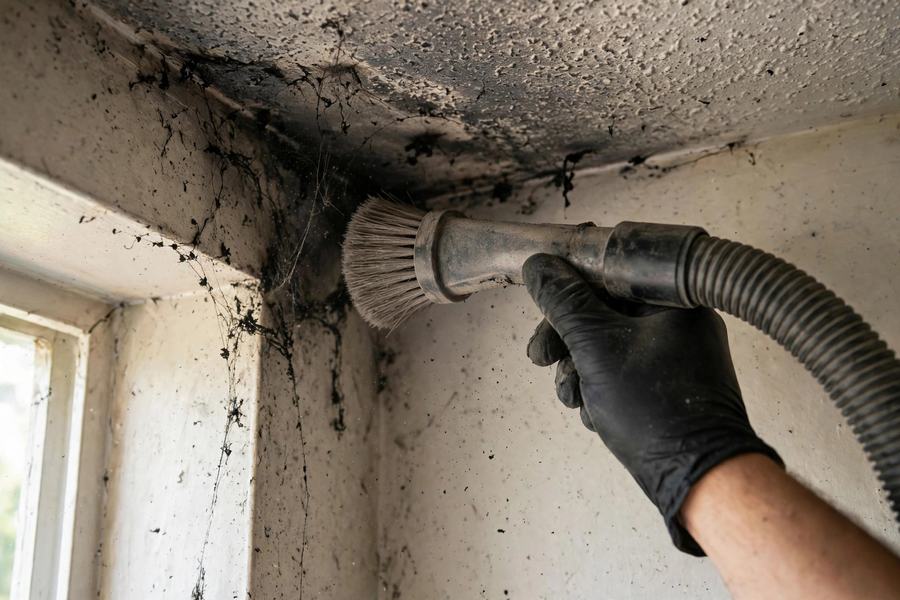
How we approach this job
Diagnosis and insurance documentation: For soot removal in Longmont, the buying situation is a problem with a cause: find the real source, document it with photographs and readings for any claim, and only then price the fix.
Signs you need soot removal
- Black web like strands (soot tags) hang in corners and doorways. It usually means the fuel decides the soot's chemistry and the cleaning method.
- Soot smears when touched and will not vacuum up cleanly. It usually means the wrong first wipe can set synthetic soot permanently.
- Chrome, faucets, and appliances show early tarnish or pitting. It usually means test patches on each finish protect the surfaces that matter.
- Soot is visible inside cabinets, closets, and on blinds. It usually means smoke traveled the pressure paths of the whole house; the scope is the whole house, cleaned in the right order.
What the job involves
What affects the price
- How heavy the soot load is and how many rooms it covers
- Surface types involved: painted drywall, tile, real wood, and stone all clean differently
- Whether soot reached the HVAC system and ducts
- How long soot has sat, since etching and staining are time dependent
- Contents volume: blinds, shades, and fabrics hold soot deep
When it is an emergency
Soot is the clock in a fire loss. Within 24 to 48 hours its acidity starts permanent damage to metals, grout, and finishes, and within days it can yellow plastics and set stains that cleaning cannot reverse. Do not vacuum it with a household machine and do not wet wipe it; both spread it.
PLACEHOLDERSoot Removal across the Longmont area
Related services
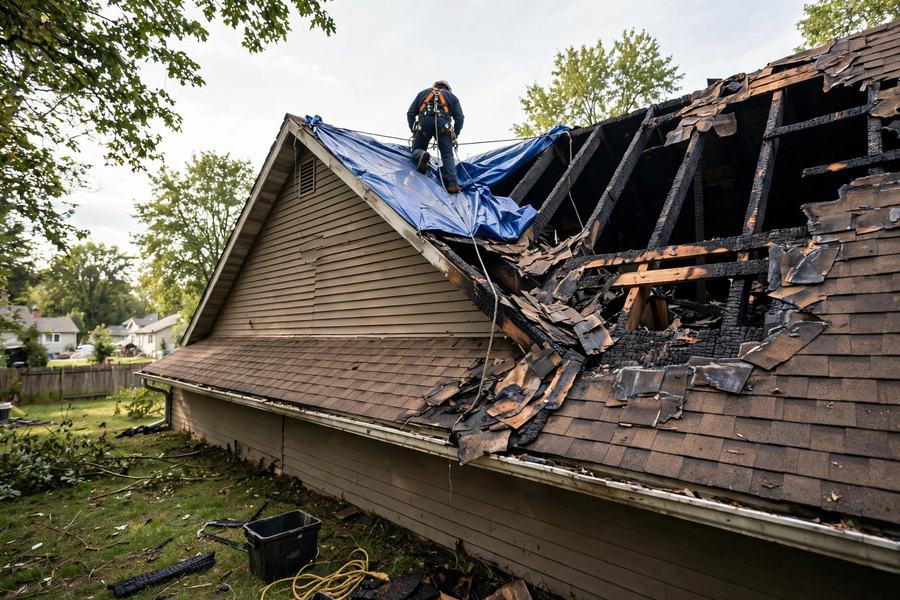
Emergency Board Up and Tarping
Openings, windows, and roof sections secured the same day, because an open house loses contents and claim standing fast. Expect the first visit in Longmont to start from the building itself: mill village homes and newer subdivisions, read against hot humid summers, mild winters with a real heating season, and frequent thunderstorms in Longmont, shaped by old town brick and frame homes, ranch neighborhoods, and growth edge subdivisions where heating season stove and furnace starts, shared attic smoke travel, and dry wind edge risk drive the call pattern.
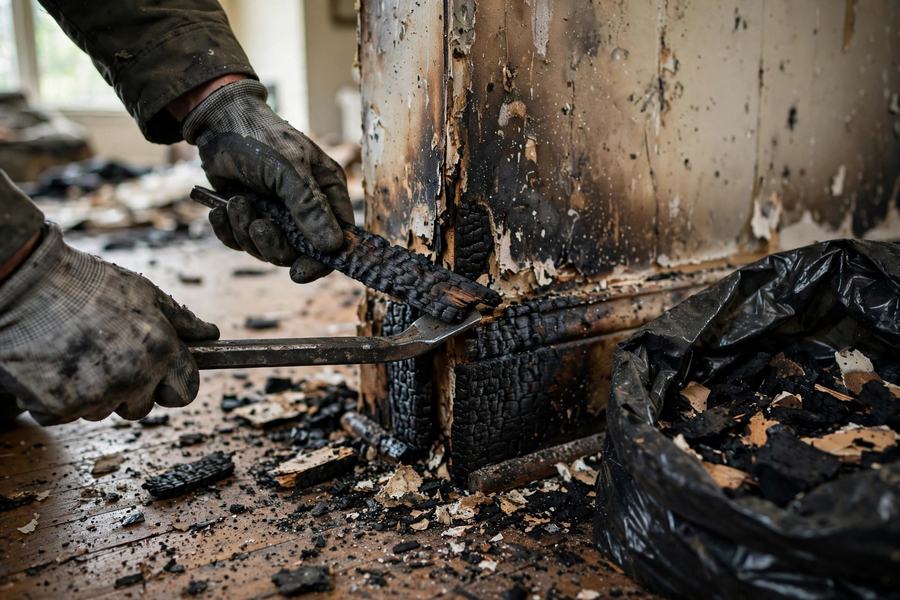
Fire Damage Restoration
Fire losses run as one file: securing, cleaning, odor, and rebuild sequenced so each step protects the next. In Longmont, the local read matters: this is stock where heating season fires in older stock and kitchen fires drive the scope pattern in Longmont, shaped by old town brick and frame homes, ranch neighborhoods, and growth edge subdivisions where heating season stove and furnace starts, shared attic smoke travel, and dry wind edge risk drive the call pattern.
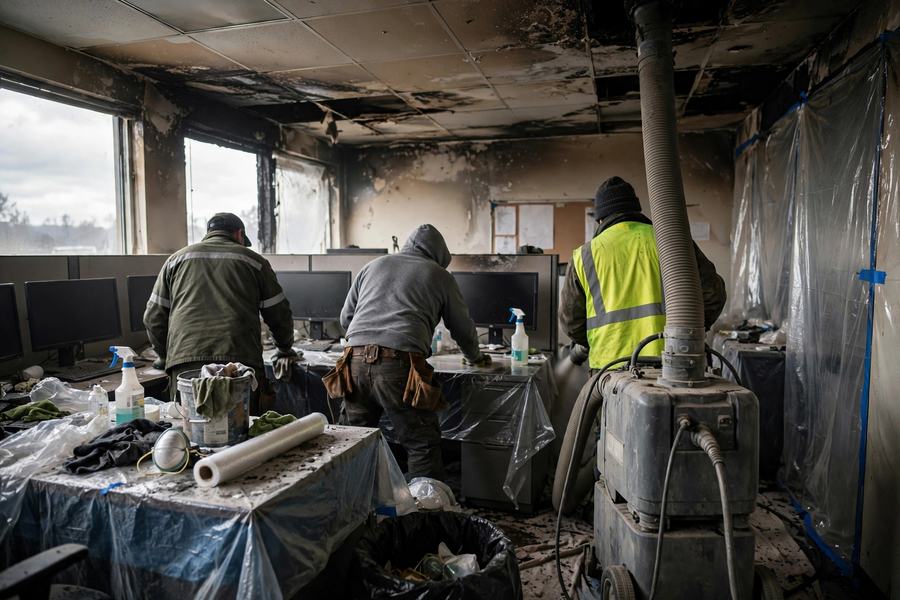
Commercial Fire Damage
Fire scopes for businesses and rentals, with tenant, insurer, and association documentation kept in step. Across the Catawba River side of Longmont, the scope is written around mill village homes and newer subdivisions, and the price follows that read in Longmont, shaped by old town brick and frame homes, ranch neighborhoods, and growth edge subdivisions where heating season stove and furnace starts, shared attic smoke travel, and dry wind edge risk drive the call pattern.
Smoke Damage Cleanup
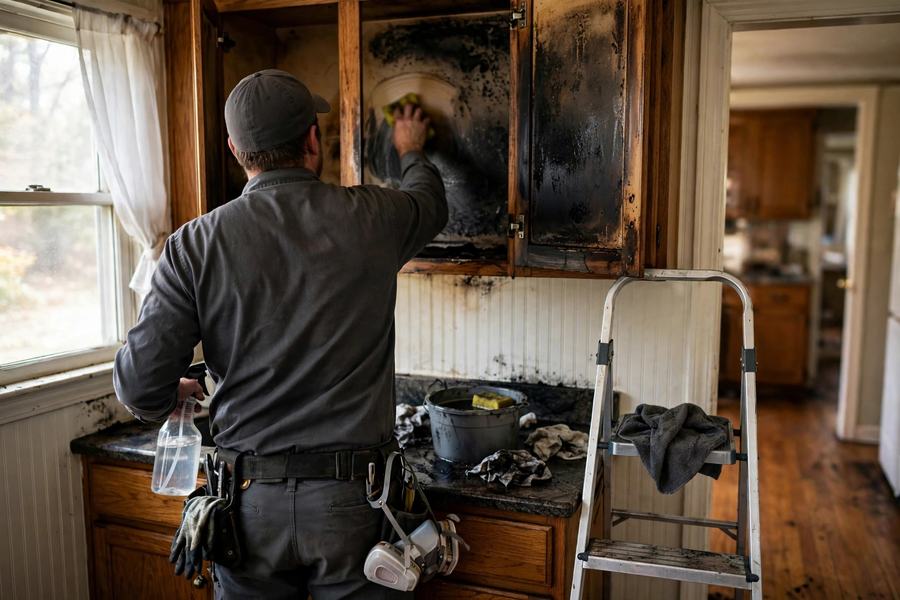
Smoke residue cleaned by surface and soil level, tested in a corner before a whole room is committed. Longmont crews meet this job most often in mill village homes and newer subdivisions, under hot humid summers, mild winters with a real heating season, and frequent thunderstorms in Longmont, shaped by old town brick and frame homes, ranch neighborhoods, and growth edge subdivisions where heating season stove and furnace starts, shared attic smoke travel, and dry wind edge risk drive the call pattern.
Soot Removal questions, answered
When is soot removal an emergency?
Soot is the clock in a fire loss. Within 24 to 48 hours its acidity starts permanent damage to metals, grout, and finishes, and within days it can yellow plastics and set stains that cleaning cannot reverse. Do not vacuum it with a household machine and do not wet wipe it; both spread it.
What affects the price of soot removal in Longmont?
The main price factors for soot removal are covered in the cost section above. The contractor confirms the exact price in a written estimate after seeing the job, and nothing is owed until you approve it. The call and the referral are free.
What should I do first after a house fire in Longmont?
Once officials release the property: photograph every room before touching anything, secure openings against weather, and keep people out of heavy soot areas. Then call for the read that turns the damage into a documented scope.
Can I stay in my home after a fire?
That depends on structure, utilities, and how far smoke and soot traveled, and it is a decision to make from the first visit findings, not from how the house smells on day one. If you cannot stay, ask what documentation your policy wants for housing costs and keep every receipt.
How long does fire restoration take?
Smoke only losses typically take one to two weeks from first cleaning to odor treatment. A fire that damages structure runs to months: one or two rooms with structural work commonly take three to six weeks of active repair, and larger structural losses can run three to nine months including permits and inspections. The variables are the scope the insurer approves, material lead times, and inspection scheduling. A contractor should give you a phase timeline in writing, not a single date promised on the phone.
Request a callback
Prefer to talk later? Leave your details and an independent local pro will call you back. No charge to you, no obligation.
St. Vrain Fire Restoration is a free referral service. Submitting this form connects you with independent local contractors who provide the work.